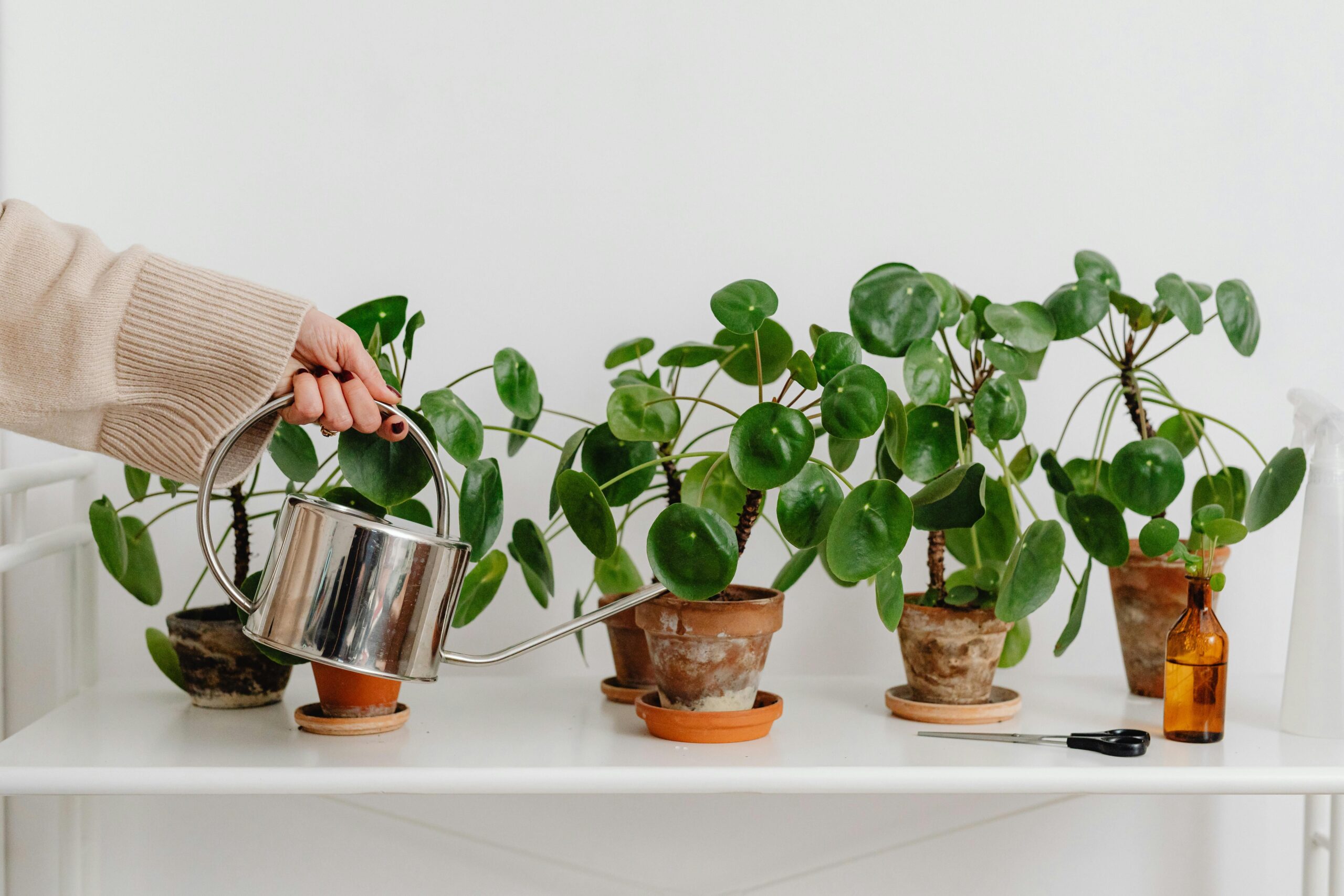
Winter is coming, and for indoor gardeners, it brings a unique set of challenges. While you might be worried about the cold drafts near the window, the biggest threat to your green friends is actually your watering can.
Many beginners assume that plants need the same amount of care year-round, but watering indoor plants in winter requires a completely different strategy. In fact, overwatering during the colder months is the number one reason house plants die before spring arrives.
If you are wondering how to keep your indoor jungle alive until the sun returns, you are in the right place. Here is everything you need to know about winter watering.
Table of Contents
Why is Watering Indoor Plants in Winter Different?
Before we dive into the “how,” let’s understand the “why.” During winter, two main things happen:
- Light levels drop: The days are shorter and the sun is weaker.
- Growth slows down: Most houseplants enter a state of dormancy (a resting phase).
Because they are not actively growing, their metabolism slows down. They drink significantly less water than they do in July. If you keep your summer watering schedule, the water will sit in the soil, suffocating the roots and leading to root rot.
1. The “Finger Test” Rule
The most reliable way to know if your plant is thirsty is not a calendar; it is your finger.
Before you even think about watering indoor plants in winter, push your index finger about 1 to 2 inches (up to your second knuckle) into the soil.
- If it feels damp or cool: Do not water. Walk away.
- If it feels completely dry: It is time to water.
For succulents and cacti, you should let the soil dry out completely between waterings. For tropical plants like Monsteras or Pothos, the top inch should be dry.
2. The Foolproof Method: Use a Soil Moisture Meter
Let’s be honest: judging soil moisture with your finger can be tricky, especially with deep pots. You might feel dryness at the top, but the bottom could be a swamp.
If you want to stop guessing and start knowing exactly when to water, I highly recommend using a Soil Moisture Meter.
This inexpensive tool is a game-changer for beginners. You simply insert the probe into the soil, and the scale tells you instantly if the soil is Dry, Moist, or Wet. No batteries required, and no dirty fingernails.
It is the best investment you can make to prevent overwatering.
3. Water Temperature Matters
Imagine taking an ice-cold shower in the middle of January. Not pleasant, right? Your plants feel the same way.
When watering indoor plants in winter, avoid using cold water directly from the tap. Frigid water can shock the plant’s root system, causing leaves to drop or wilt.
The Fix: Fill your watering can and let it sit at room temperature for a few hours (or overnight) before using it. This brings the temperature up to a comfortable level (tepid) and also allows chemicals like chlorine to evaporate.
4. Don’t Let Them Have “Wet Feet”
Drainage is non-negotiable. Ensure all your pots have drainage holes.
After you water your plants, excess water will drain into the saucer or tray underneath. Do not let your plant sit in this standing water. If the roots sit in a puddle, they will rot quickly.
Pro Tip: Wait 15-20 minutes after watering, then check the saucers. If there is water, dump it out immediately.
5. Humidity vs. Soil Moisture
This is a common confusion. Winter air is dry because of heaters and radiators. You might see brown, crispy tips on your leaves and think, “Oh no, it needs more water!”
Please stop! That is a humidity issue, not a watering issue.
Pouring more water into the soil won’t fix dry air; it will just drown the roots. Instead of overwatering, try these methods to increase humidity:
- Group plants together to create a microclimate.
- Use a pebble tray with water under the pot.
- Use a humidifier nearby.
- Check out my guide on “Best Grow Lights” to help plants thrive in dark winters here
Conclusion
Mastering the art of watering indoor plants in winter is all about observation and restraint. Remember, it is much easier to revive an underwatered plant than to save one that has rotted from too much water.
When in doubt, wait another few days. Successful watering indoor plants in winter requires checking the soil first, using your moisture meter, and giving your plants the rest they deserve this season.
Ready to stop killing your plants? Grab a Soil Moisture Meter today and make winter care a breeze!
Frequently Asked Questions (FAQs)
How often should I water indoor plants in winter? There is no set schedule (like every Monday). Most plants will need water every 2 to 3 weeks in winter, compared to once a week in summer. Always check the soil dryness first.
Why are my plant leaves turning yellow in winter? Yellow leaves combined with wet soil are a classic sign of overwatering (root rot). If the soil is bone dry, it might be underwatering. However, sometimes plants naturally shed old leaves to conserve energy in winter.
Should I fertilize my plants in winter? Generally, no. Since plants are resting (dormant), they don’t need extra nutrients. Resume fertilizing in early spring when you see new growth appear.